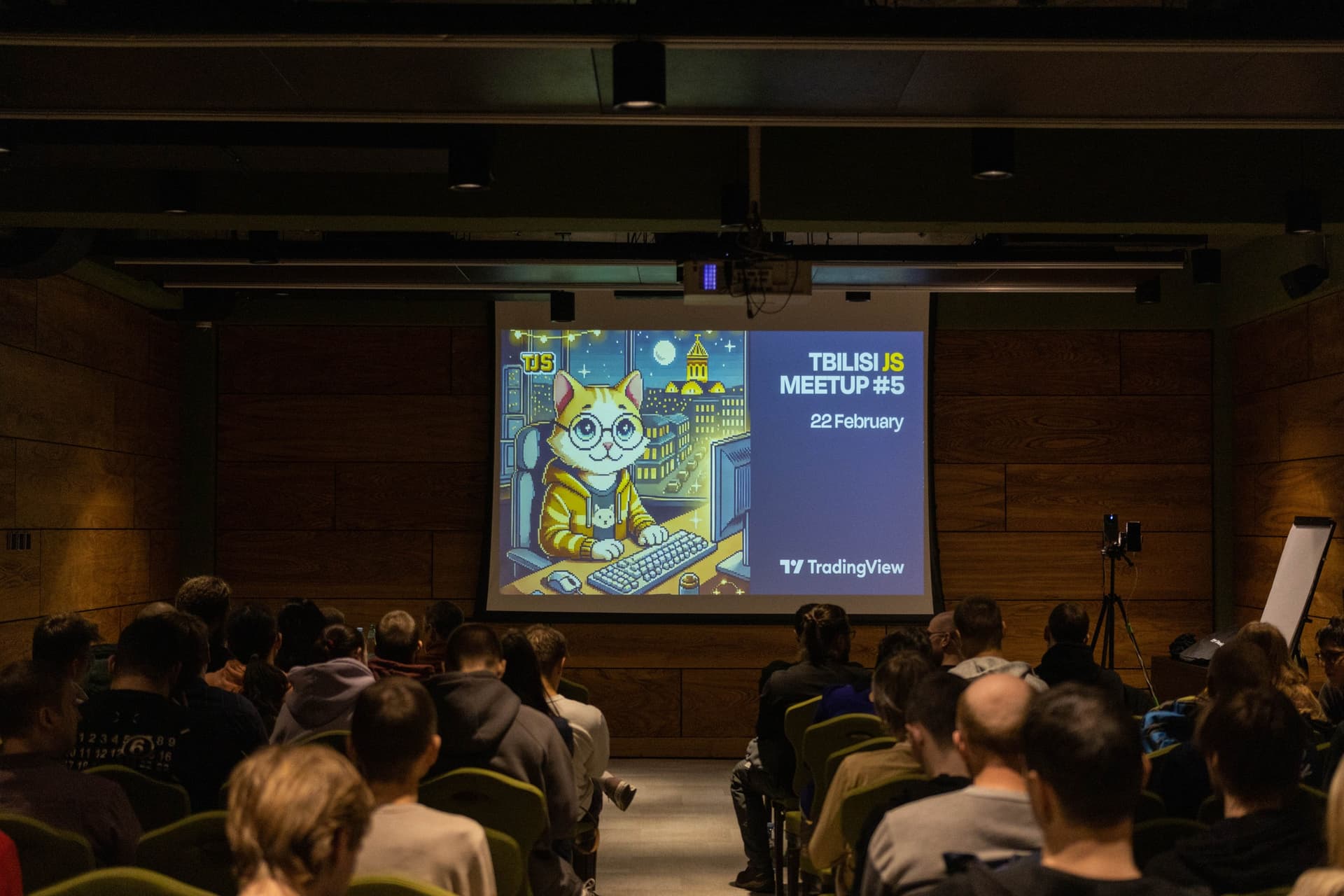
Tbilisi JS Meetup #8
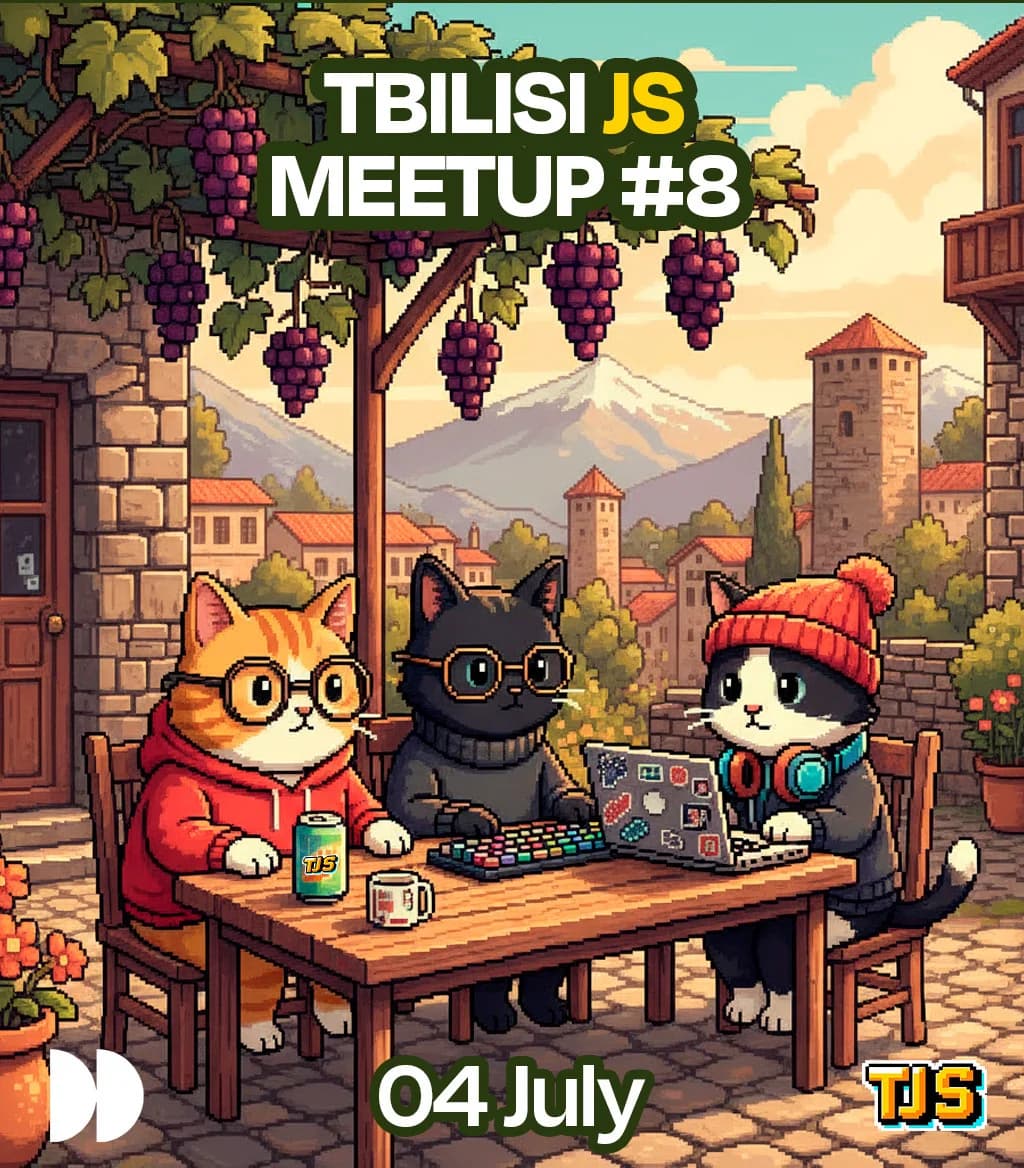
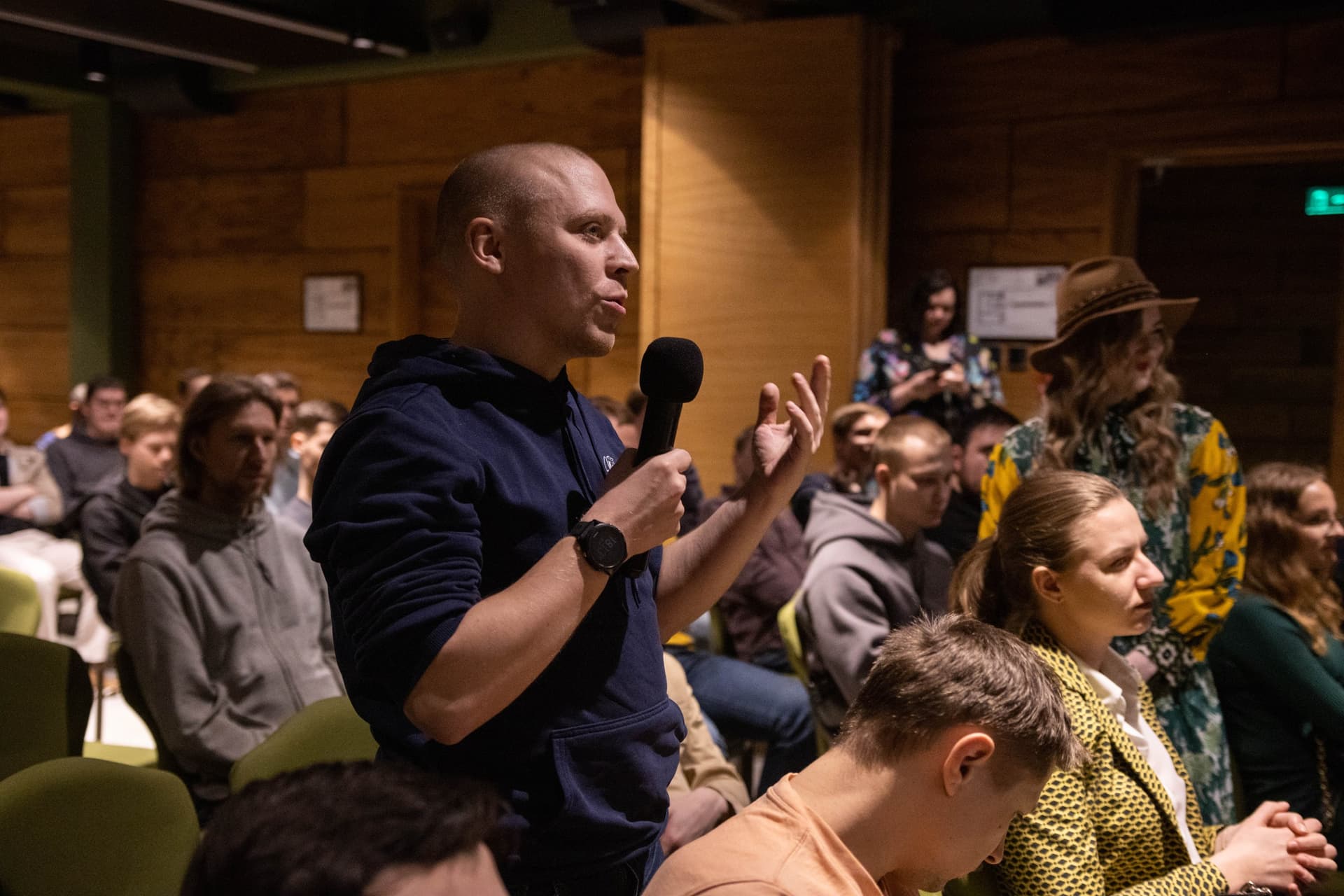
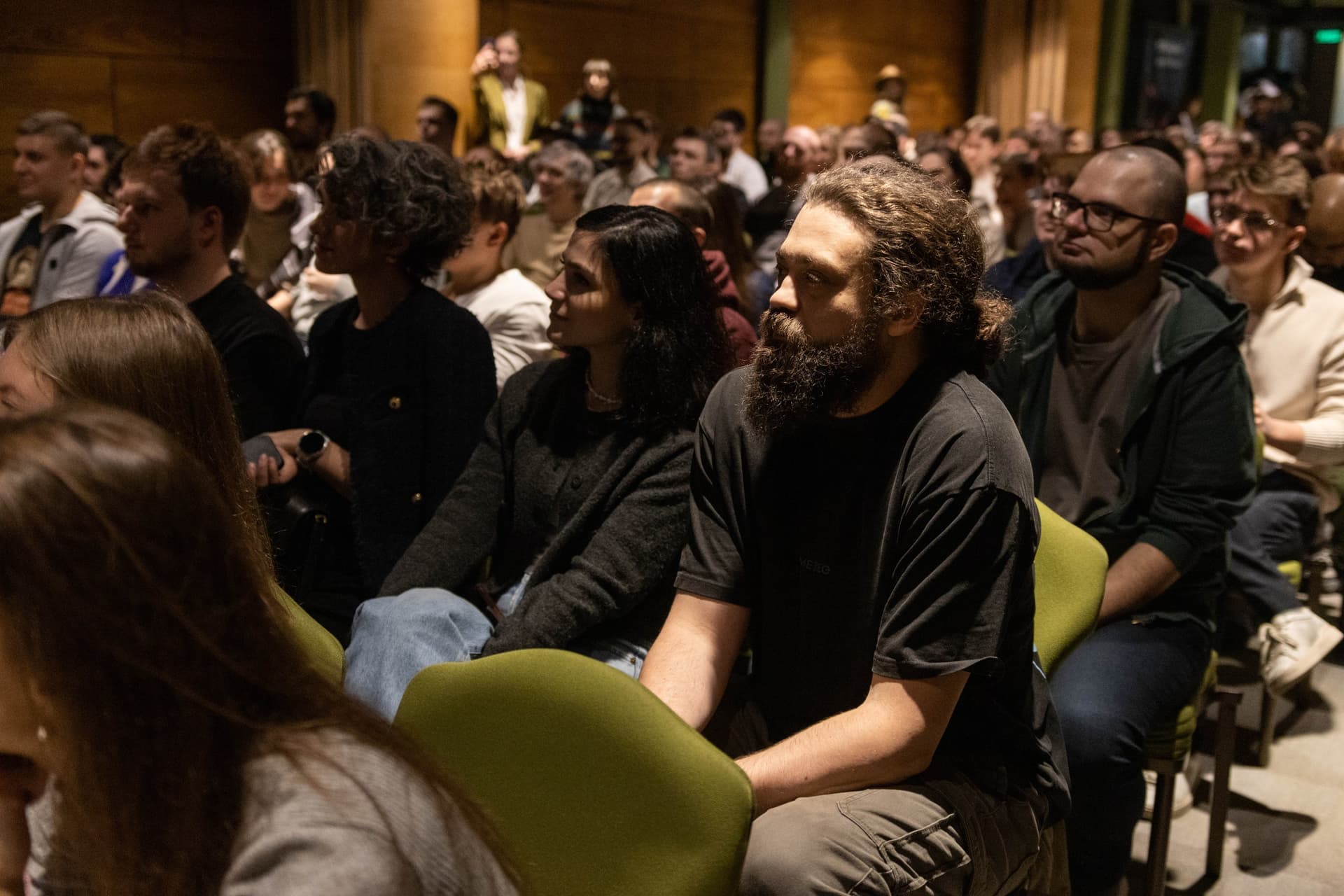
We're back, and we did not come back quietly! Vadim Makeev tackles a world where browsers ship every two weeks, Gigi Janelidze argues design systems belong to engineers too, Nina Torgunakova introduces tiny-but-mighty Nano Stores, Alexey Raldugin chases 99.99…% uptime, and Daria Kamyshina turns messy mockups into clean React code. Offline, free, and absolutely worth the wait. 🚀
This event was supported by the awesome folks at Salmon — a fintech company bringing buy-now-pay-later services to the Philippines.



Schedule
15:00
15:30
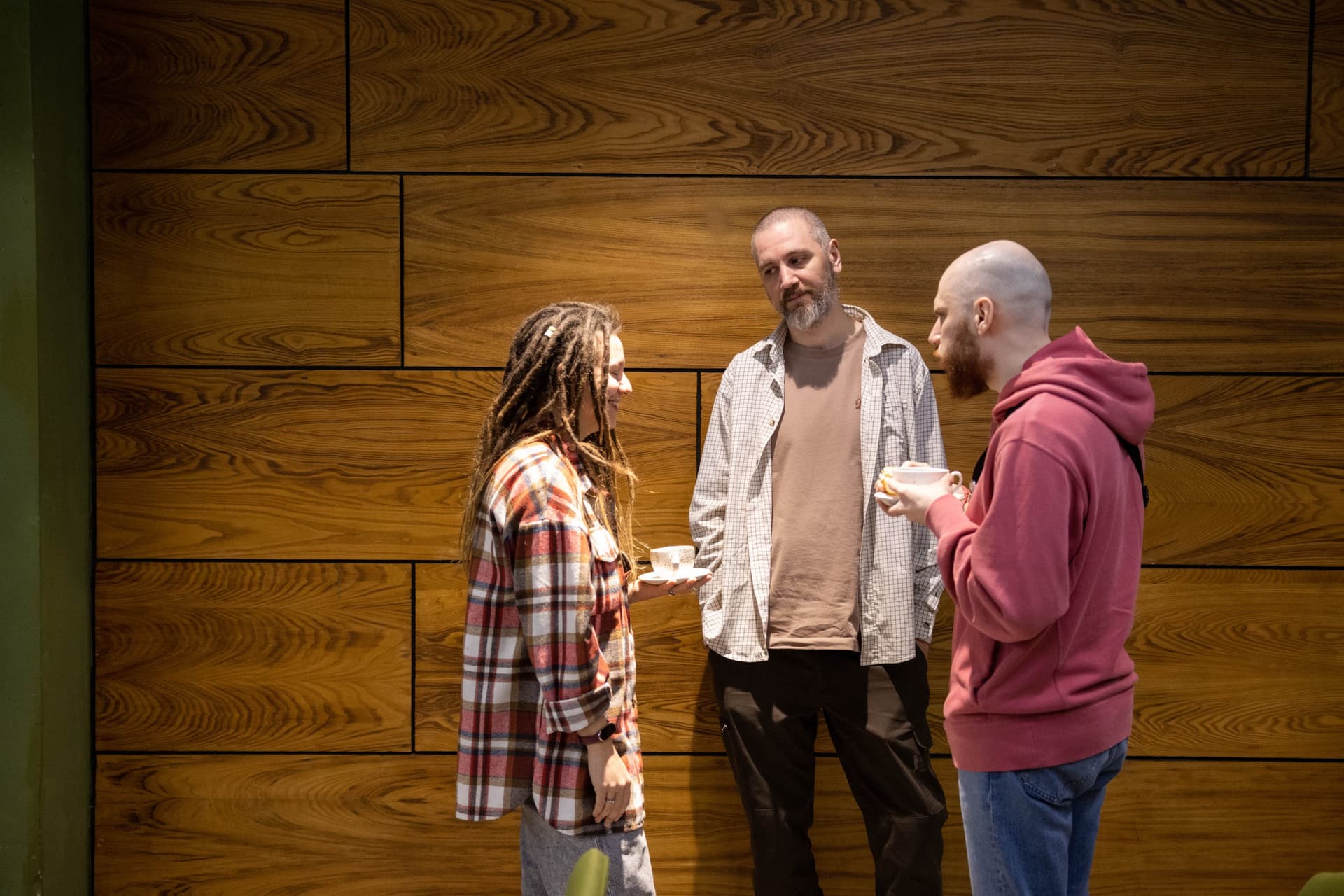
Guest gathering, welcome coffee
Organizing Committee
15:30
Guest gathering, welcome coffee
Organizing Committee

15:30
15:40
Program start, welcome from Tbilisi JS Team
Organizing Committee
15:40
Program start, welcome from Tbilisi JS Team
Organizing Committee
15:40
15:50
Welcome from Salmon Team
Organizing Committee
15:50
Welcome from Salmon Team
Organizing Committee
15:50
16:15
Why Design belongs to Engineers too
Gigi Janelidze
16:15
Why Design belongs to Engineers too
Gigi Janelidze

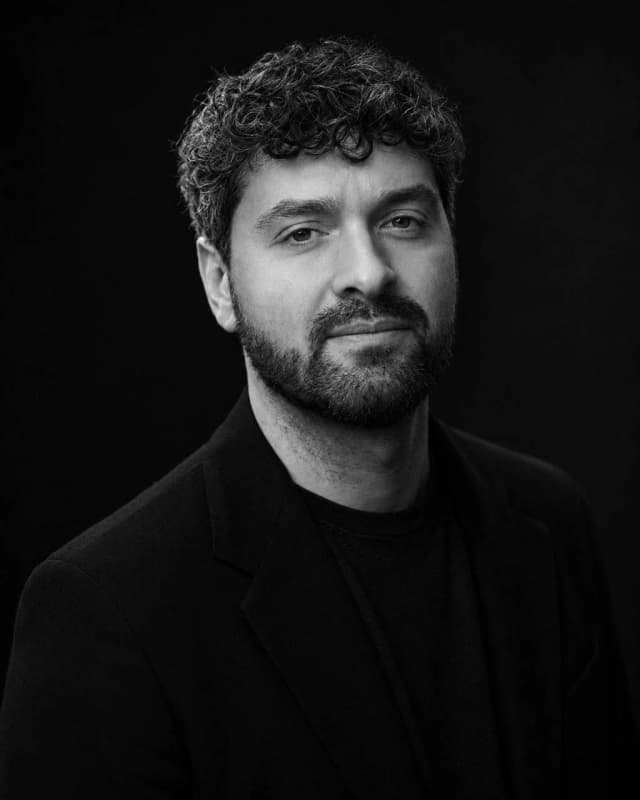
Gigi Janelidze, Head of Design and UX at Salmon Group. A Georgian who has spent twenty years working at the intersection of different worlds and cultures — at Yandex, MTS, Sber, TBC Group, and others. Now he leads design and UX at Salmon Group in the Philippines. He has built design functions from scratch, led transformations, hired, mentored, and let people go, and founded several professional communities. A certified NN/g and IxDF expert, and a member of the Advisory Board of Design Institute Tbilisi. We treat the design system as a deliverable that design hands to engineering — and then pay for it every day in rework, drift, and slow decisions. In this talk I'll argue the opposite: a design system is an internal product whose customers are engineers, which means engineers have to be its co-authors, not its recipients. I'll show why the design ↔️ engineering wall is an org-design problem, not a people problem. You'll leave with one question worth bringing back to your own team: whose product is your design system, and who's allowed to build it?Read more →
16:15
17:00
Smart Nano Stores, or how we made web development simpler
Nina Torgunakova
17:00
Smart Nano Stores, or how we made web development simpler
Nina Torgunakova

Nina Torgunakova, frontend developer at Evil Martians. Inspired by turning ideas into convenient products and articles, as well as public speaking on topics I care about. Many popular state management libraries are bloated, require boilerplate, and overload components - forcing us to trade off performance, maintainability, and readability. In this talk, Nina will introduce Nano Stores, a tiny (under 1 KB) state manager built around smart atomic stores. It has zero dependencies, its own ecosystem, and is framework-agnostic by design.Read more →
17:00
17:30
Coffee break, activities from Salmon
Organizing Committee
17:30
Coffee break, activities from Salmon
Organizing Committee
17:30
18:10
Site Reliability: On the way to 99.99...% uptime
Alexey Raldugin
18:10
Site Reliability: On the way to 99.99...% uptime
Alexey Raldugin

Alexey Raldugin, Lead Software Engineer at Salmon, a lover of hard problems, architecture, and frontend. Today, developers aren't just responsible for writing code; they also have to handle deployment and ensure site reliability under heavy loads. With so many options out there, it's easy to get overwhelmed. In this talk, I'll try to untangle the complexity and share the best practices and experience of building a fault-tolerant website at Salmon for 1M+ unique users, featuring dynamic content updates.Read more →
18:10
18:30
Coffee break, more activities from Salmon
Organizing Committee
18:30
Coffee break, more activities from Salmon
Organizing Committee
18:30
19:10
How not to lose your mind in a world where browsers ship every two weeks
Vadim Makeev
19:10
How not to lose your mind in a world where browsers ship every two weeks
Vadim Makeev
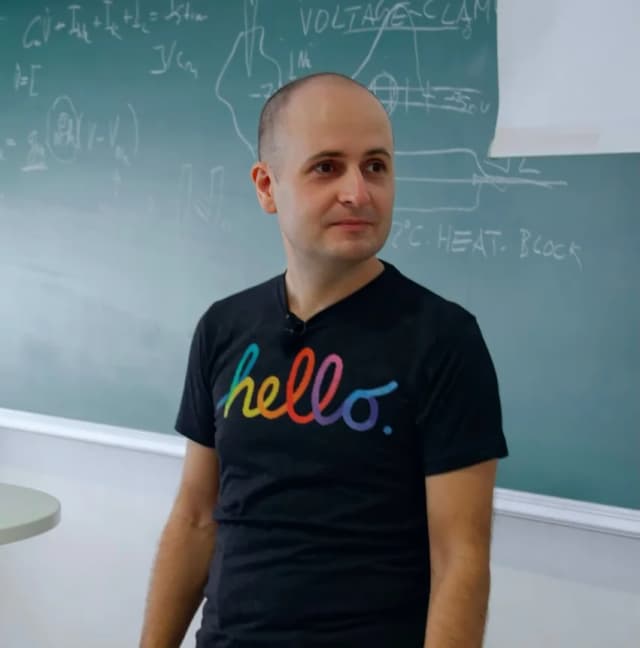
Vadim Makeev, frontend developer in love with the web, browsers, bicycles, and podcasting. Tech writer at MDN, Google Developer Expert, host of the Web Standards and LP podcasts. Back in the 2000s, browsers shipped once a year — with cake, fireworks, and a press tour. In the 2010s, releases jumped to 6–8 a year. In the 2020s we're already looking at a dozen a year, and by the end of 2026 most browsers will start shipping every two weeks. Even if you're a 10x god with a herd of LLM agents at your back, their models were trained six months ago — they're often simply out of the loop, and they'll lie to your face with a smile. What's already possible, what still isn't, and how to actually stay on top of everything happening on the web platform.Read more →
19:10
19:45
Anatomy of a Messy Mockup: From a Detached Component to Clean React Code
Daria Kamyshina
19:45
Anatomy of a Messy Mockup: From a Detached Component to Clean React Code
Daria Kamyshina

Daria Kamyshina, CEO of Francoise (https://francoise.design). 8 years of launching and scaling products in employment led her to founding her own startup that smooths out the seam between design and development. Writing code without an IDE, linters, or a compiler is pure madness. Yet, this is exactly how designers build interfaces every single day. In this talk, we will dissect the data structure of a "messy" mockup and break down why automated UI validation has been considered a mathematically unsolvable problem. We'll explore the fundamental conflict between the freeform Figma canvas and the strict DOM tree and attempt to find a path to cleaner React code.Read more →
19:45
20:00
Meetup closing
Organizing Committee
20:00
Meetup closing
Organizing Committee
20:00
23:00
Afterparty at Buro Bar
Organizing Committee
23:00
Afterparty at Buro Bar
Organizing Committee
That's All About Community